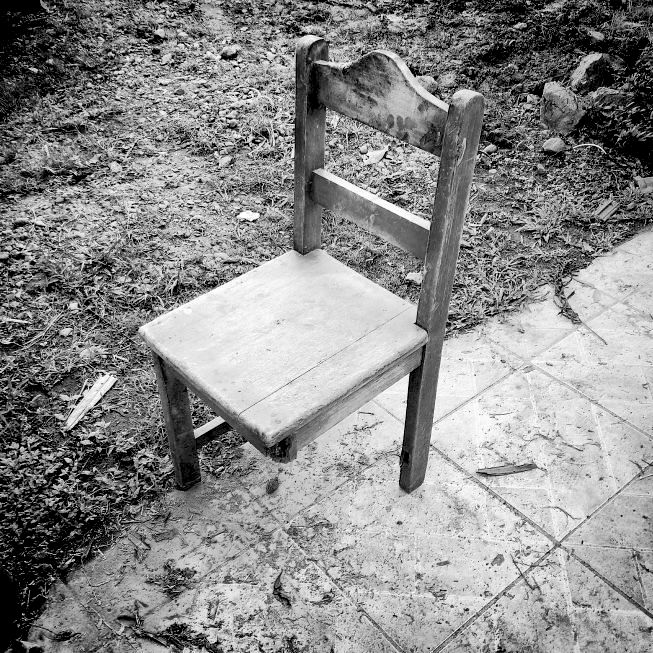
Mankind is still alone. Who could fill man’s aloneness? What could occupy the vacuity of his mortality? And so it is he has filled it with Gods and theologies, with verses and lyrics and the unremitting stroke of the brush. He has filled it with other beings, with chiselled rock, buildings–houses of the eternal. He has filled it with gaily dance and fine weavings of air in the form of symphonies. His propensity for beauty can only derive from the ultimate depth of his aloneness. For it is indeed here that we see that aloneness is never far from beauty. In his ability to perceive beauty, man harbours the eternal doubt that she was ever meant for him alone. In the ancient narrative, the perfection of the Garden of Eden prior to his arrival is one of imperfection. For in all its pristine wildness and beauty, it lacked the very thing that would complete it and yet, would hold the power to ruin it: it lacked a beholder. Beauty itself was lonely. It posed in all its purity and colour. It impressed majestically, wildly, even violently, but ultimately impressed alone.
Aloneness